The Essential Divide: Fruit or Cask Character
The simplest answer to the question of Port wine styles is this: Ruby emphasises deep fruit, while Tawny develops amber colour and nutty character through cask ageing. LBV and Vintage belong on the fruit-led side of that comparison, but differ in how they mature before and after bottling. These are not merely different levels of quality. They are different approaches to the same wine, and the most useful starting point is to decide which expression appeals to you rather than which label sounds most impressive.
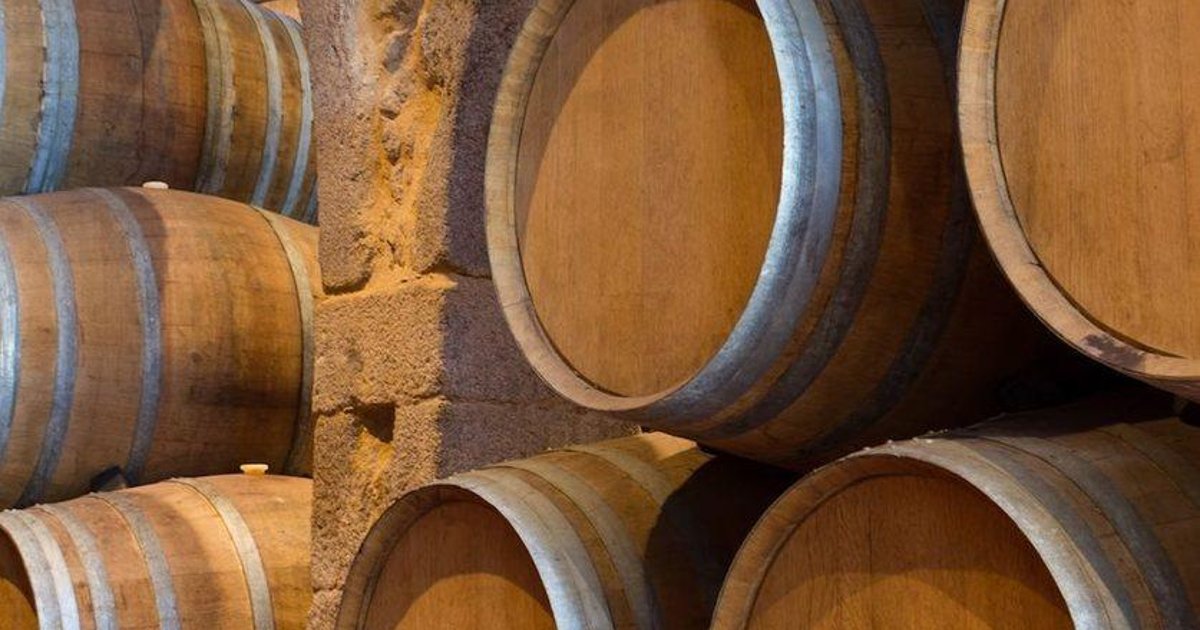
Port begins with grapes grown in the Douro Valley. Adding grape spirit stops fermentation early, preserving natural sweetness while raising the alcohol. Ageing then becomes central to the distinction between styles: large vats or bottle help ruby styles retain their deep fruit, while small casks allow the slow contact with air associated with tawny character. For a first comparison, ask to taste something from each family. Notice whether you are drawn towards fruit or towards the caramel, dried-fruit and almond tendencies associated with Tawny.
Ruby and Reserve: Establishing Your Fruit Reference
Ruby is the young, fruity and vibrant expression described as everyday Port. That makes it a useful reference point, not a wine to dismiss before moving on to more elaborate labels. Begin by considering how clearly its fruit character comes through and whether that directness suits your palate. Dark chocolate is the suggested pairing, giving you a straightforward way to explore Ruby with food. Treat the match as an invitation to compare, rather than a promise that every chocolate and every Ruby will work equally well.
Reserve builds on the Ruby idea with more depth and concentration. A Ruby and Reserve comparison therefore asks a different question from Ruby versus Tawny: not which ageing family you prefer, but how much concentration you enjoy within a fruit-led style. Taste them alongside one another if the selection allows, and describe the difference in your own words before choosing a favourite. A cheese board is a suggested companion for Reserve. If you prefer the simpler Ruby, that remains a useful discovery rather than a mistaken judgement.
Portugal Magik · 2027 edition
Your pocket guide to Portugal wine country.
Thirty pages of wine regions, selected wineries, native grapes and thoughtful travel inspiration — with Gonzalo’s welcome and Portugal Magik’s trip-planning contacts.
Free PDF · 30 pages · 6.1 MB · No email required
LBV: A Harvest Year with Time in Wood
LBV means Late Bottled Vintage. It comes from a single year's wine and spends an extended period in wood before bottling. The important distinction is contained in the name: it is bottled later than Vintage Port. Both labels refer to a harvest year, but they do not describe the same maturation approach. When choosing, resist treating LBV as simply another spelling of Vintage. Its time in wood is part of its identity, and understanding that makes the label more informative than the presence of a year alone.
For a revealing tasting, place LBV beside Ruby or Reserve and ask how each expresses its fruit. Avoid assuming that the differences must follow a fixed script; the comparison is an opportunity to discover what is actually in the glasses. Berry desserts are the suggested pairing for LBV, making it a candidate when fruit also leads the final course. Choose it because you want to explore a single-harvest wine with this maturation path, rather than because you expect its label to guarantee a particular flavour or level of enjoyment.
Vintage: Bottled Young, with a Different Horizon
Vintage Port comes from selected, officially declared years and is bottled young, with the capacity for long development in bottle. That is the decisive contrast with LBV: the wines share a connection to a particular harvest, but time before bottling plays a different role. Vintage should therefore be understood through its maturation path rather than as an automatic upgrade for every occasion. If your immediate preference is for amber, nutty, cask-developed character, the prestige of a Vintage label is not a reason to abandon Tawny.
The serving guidance here is to decant Vintage before serving. That is worth raising when arranging a tasting or choosing a bottle for a meal, rather than leaving preparation as an afterthought. Stilton and walnuts are suggested accompaniments. In a comparison with LBV, concentrate on what each wine offers rather than trying to prove that one category wins. Ask about the harvest and the wine's development, then use those details to interpret your impressions. The point is to understand two approaches to maturation, not to stage a hierarchy.
Tawny: Read the Age Indication as a Style Profile
Tawny follows the cask-led branch of the story. Slow contact with air in small casks turns the wine towards amber and nutty character, with caramel, dried fruit and almonds among its flavour tendencies. These are useful expectations, not a checklist every bottle must satisfy. Compared with Ruby, the central question is whether you prefer this cask-developed expression to deeper fruit. If those descriptions appeal to you, Tawny deserves attention in its own right, rather than being treated merely as a sweeter-looking alternative on a list.
An age indication on a blended Tawny is best read as a style profile, not a mathematically precise average or an exact age shared by every component. Use it to frame a question about the wine's character, not to calculate what must be in the bottle. Comparing different indications can help you discover which profile you prefer without assuming that a higher number is automatically better for you. Crème brûlée and pastéis de nata are suggested pairings; either can provide a food context for exploring Tawny's caramel and nutty tendencies.
Your dates. Your wines. Your pace.
Make wine country part of your private Portugal journey.
Multi-day travel, transportation and an English-speaking private driver, with selected wineries and places. We help coordinate restaurants, hotels and visits around your plans; availability and costs are confirmed privately.
Colheita, White and Rosé: Understanding the Other Labels
Colheita brings the idea of a single harvest into the Tawny family. It is a Tawny from one harvest year, aged in wood, rather than a blended Tawny carrying an age indication. This distinction matters because a year on a label does not, by itself, identify Vintage Port. Read the style name alongside it. A Colheita and an age-indicated Tawny make a useful comparison if you already know you enjoy cask character. Toasted nuts are the suggested accompaniment for Colheita, keeping the food choice close to that tasting theme.
White and Rosé are described as lighter styles, widening the choice beyond the Ruby–Tawny comparison. White Port with tonic water and mint is an aperitif option, offering a different context from the dessert and cheese pairings suggested elsewhere. These styles need not complicate your first tasting. If your aim is to understand the principal ageing distinction, begin with Ruby and Tawny; if your aim is to choose an aperitif, consider the lighter options. Let the question you want answered shape the selection, instead of trying to cover every label at once.
Build a Comparison That Answers a Real Question
A useful tasting begins with a purpose. To understand the broad families, compare Ruby and Tawny. To explore concentration within a fruit-led expression, compare Ruby and Reserve. To investigate single-harvest wines with different maturation paths, consider LBV and Vintage. To stay within cask-developed character, compare an age-indicated Tawny with Colheita. These are suggested structures, not promises about what a particular venue will pour. Ask what is available and choose a comparison that helps resolve your own uncertainty rather than requesting the longest possible list.
Keep your notes plain: fruit-led or nutty, direct or more concentrated, appealing alone or more enjoyable with the suggested food. Smell and taste before discussing the label in detail, then return to the glass with the style information in mind. That approach leaves room for both expectation and surprise. You might favour Ruby with dark chocolate yet choose Tawny with a custard dessert. There is no contradiction in that. A preference can belong to a particular pairing or occasion without becoming a permanent verdict on an entire category.
Connect the Glass to the Douro and Gaia
Understanding place completes the comparison without changing its focus. The grapes come from the Douro Valley; traditionally, young Port travelled downriver to age in the lodges of Vila Nova de Gaia, opposite Porto. Gaia's lodges are therefore part of the ageing story, not a separate wine appellation. A multi-day journey can connect the vineyard landscape with the lodge setting while keeping the tasting question consistent: how does maturation shape what you enjoy? Before selecting visits, ask which styles might be available and whether they support the comparison you want to make.
For Portugal Magik / The Grand Douro Collection, that interest can guide a multi-day private journey with transportation, an English-speaking private driver, selected wineries and places, and assistance coordinating hotel, restaurant and visit bookings. Costs and availability are confirmed privately. The useful starting brief is your tasting preference: perhaps a clear Ruby–Tawny introduction, or a closer exploration of LBV, Vintage and Colheita. Keep the objective specific and the arrangements subject to confirmation. The reward to aim for is a clearer understanding of your palate, not simply a longer collection of labels tasted.
Questions before your wine journey
Which Port style should I try first?
Start with Ruby and Tawny if you want the clearest introduction. Ruby provides a fruity, vibrant reference; Tawny introduces cask-developed amber and nutty character. If choosing only one, use your preferred flavour direction and the intended food pairing rather than assuming there is a universally correct beginner's bottle.
Are LBV and Vintage Port the same because both name a harvest year?
No. LBV spends an extended period in wood before bottling, while Vintage comes from officially declared years and is bottled young, with capacity for long bottle development. The harvest year identifies their connection to one year's wine; the style name explains the different maturation approach.
Does a Tawny age indication tell me the exact age of the wine?
Treat it as a guide to the blended wine's style profile, not a mathematically precise average or the exact age of every component. When choosing between indications, ask about character and compare where possible. A higher number need not be your preferred expression.
Can a private journey focus specifically on comparing Port styles?
Yes. Portugal Magik can use that interest to shape a multi-day private journey with transportation, an English-speaking private driver, selected wineries and places, and booking coordination assistance. Request the comparisons that interest you; particular wines, visit arrangements, costs and availability must be confirmed privately.
Based on Portugal Magik’s Portugal Wine Country pocket guide, 2027 edition. Estate visits, experiences and reservations are subject to confirmation.