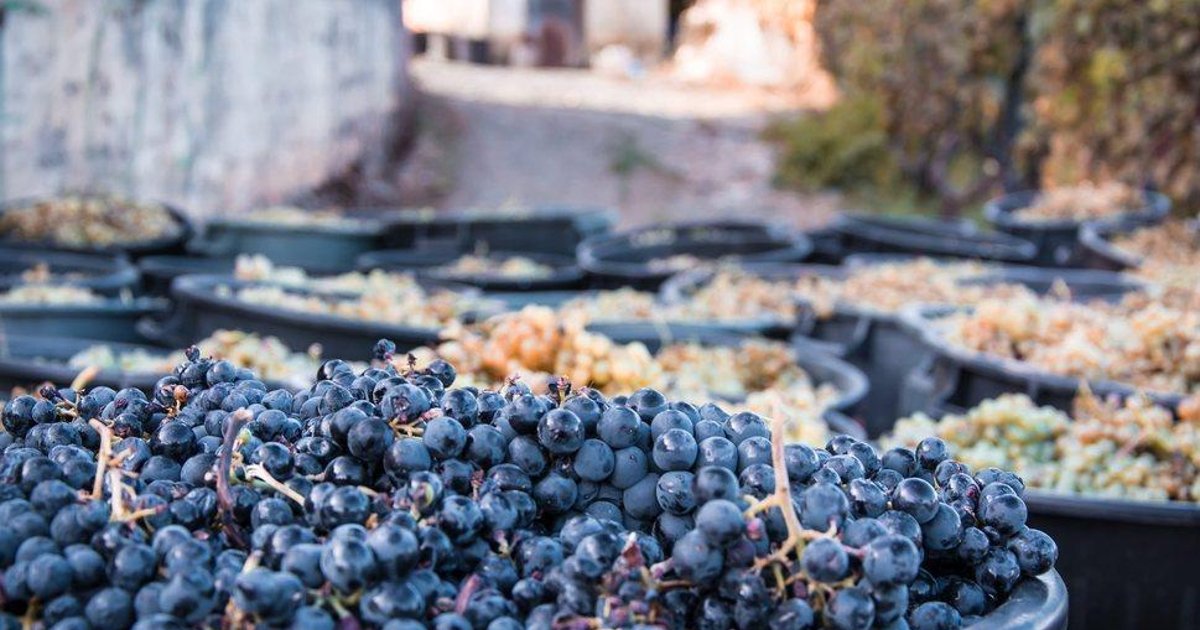
One Region, Two Ways Into Its White Wines
The Vinho Verde wine region occupies Portugal’s northwest, stretching from Porto towards the Minho River and the Spanish border. For a white wine journey, the clearest distinction is between Alvarinho around Monção and Melgaço and Loureiro in the Lima valley around Ponte de Lima. Choose the northern Alvarinho focus if richer, more structured whites interest you; look towards the Lima valley if floral freshness is your starting point. Visiting both offers a more revealing comparison than treating Vinho Verde as a single, uniform style.
Vinho Verde is a regional name, not a universal promise of young wine, sparkle or low alcohol. The familiar impression of light, citrusy whites captures only part of its character. Atlantic rain and granite soils belong to the regional picture, while individual grapes bring different expressions to the glass. Approach freshness as a thread to explore rather than a complete description. That distinction matters when planning visits: a traveller expecting only uncomplicated refreshment may overlook the structure of Alvarinho or the aromatic elegance associated with Loureiro.
Monção and Melgaço: Follow Alvarinho Beyond Refreshment
Around Monção and Melgaço, in the far north of the region, Alvarinho provides a compelling reason to slow down and taste attentively. Peach, citrus and minerality are useful reference points, although they are tendencies rather than a checklist every bottle must fulfil. These whites can be richer and more structured than the lightest image of Vinho Verde suggests, and some can age well. For travellers who enjoy white wine with presence, this is a sensible place to make the grape itself the organising principle of a journey.
A useful tasting approach is to separate aroma from texture. First consider whether fruit or a more mineral impression leads; then notice how freshness and structure relate on the palate. If different vintages or styles are available, ask what the producer wants that comparison to reveal rather than assuming older automatically means better. The practical aim is not to find one definitive Alvarinho. It is to discover whether your preference lies with immediate brightness, greater breadth or the possibilities of development, and let that preference guide subsequent choices.
Portugal Magik · 2027 edition
Your pocket guide to Portugal wine country.
Thirty pages of wine regions, selected wineries, native grapes and thoughtful travel inspiration — with Gonzalo’s welcome and Portugal Magik’s trip-planning contacts.
Free PDF · 30 pages · 6.1 MB · No email required
Choosing an Alvarinho Visit With a Clear Purpose
Palácio da Brejoeira in Monção combines an Alvarinho connection with a nineteenth-century palace, gardens and woods. It is a particularly relevant candidate when the interest in wine is shared with an interest in historic surroundings. Guided palace visits are described as ending with a tasting, but the arrangements for any proposed visit should be checked before building a route around them. Choose this kind of stop because its cultural and wine elements genuinely appeal, not simply to add another tasting to an already crowded sequence.
Quinta de Soalheiro in Melgaço offers another Alvarinho focus near the Spanish border, while Anselmo Mendes is associated with Monção and Melgaço and with single-varietal, age-worthy wines. These names suggest different priorities for an enquiry: a grape-led visit in the far north, or a closer look at Alvarinho’s capacity for structure and development. They need not become a compulsory checklist. Select visits according to the questions you want answered, and confirm what can actually be arranged rather than presuming a particular tasting format or bottle selection.
The Lima Valley: Let Loureiro Set the Pace
In the Lima valley around Ponte de Lima, Loureiro changes the emphasis. Floral, fresh and elegant are the central descriptors, making this a natural direction for travellers drawn to aromatic white wines. The contrast with Monção and Melgaço is useful, but it should not be exaggerated into a contest between delicate and serious wine. Loureiro deserves attention on its own terms. Give its aromas time, then consider how they relate to freshness and the overall impression of the wine, rather than judging it by Alvarinho’s suggested profile.
Quinta do Ameal is a historic Lima valley estate devoted to Loureiro, with organic vineyards and guest rooms. That combination makes it worth considering when the grape is central to both your tasting interests and your choice of setting. Accommodation and wine visits, however, are separate planning questions: a room should never be treated as a guaranteed tasting reservation. Ask about each independently. A Loureiro-focused stay is most coherent when the confirmed arrangements support the wine interest, rather than leaving the central visit to assumption.
Compare the Grapes Without Flattening Their Differences
The strongest reason to include both areas is not simply to taste more wine, but to sharpen your understanding of preference. After an Alvarinho-led visit, a Loureiro tasting can redirect attention from breadth and structure towards floral expression and freshness. Keep notes in ordinary language: which aromas held your attention, how substantial the wine felt, and whether you wanted another glass. Those observations are more useful for future choices than trying to reproduce a formal tasting vocabulary or forcing every bottle into a predetermined regional stereotype.
Allow room for exceptions. These descriptions establish tendencies, not rules for every producer or wine, and a single tasting cannot stand for an entire valley. If a bottle surprises you, make that the starting point for a question about its intended style. Other regional grapes can also provide context: Avesso is described as rounder and creamy, while Vinhão offers an inky, tart red contrast. They need not displace the white wine focus; consider them only where they help clarify what makes Alvarinho and Loureiro distinctive.
Your dates. Your wines. Your pace.
Make wine country part of your private Portugal journey.
Multi-day travel, transportation and an English-speaking private driver, with selected wineries and places. We help coordinate restaurants, hotels and visits around your plans; availability and costs are confirmed privately.
Read the Landscape Alongside the Glass
Minho’s granite manor houses and vines trained high on pergolas give vineyard travel a visual character beyond the tasting table. These are reasons to leave breathing space in the itinerary, not promises that every estate will offer the same surroundings or access. A journey built entirely around consecutive appointments can make different wines blur together. Instead, use the intervals to reflect on what you have tasted and on the relationship between the regional landscape and the places you have chosen, without assuming scenery alone explains a wine’s flavour.
Ponte de Lima offers a town stop alongside the valley’s wine interests. Paço de Calheiros, a manor house above the Lima valley with wine, views and rooms, is another possibility for travellers interested in the area’s built heritage. Guimarães or Braga, with its baroque sanctuary of Bom Jesus, can broaden the cultural dimension of a longer journey. Choose among them selectively. If Loureiro is the purpose of this part of the trip, additional places should support that focus rather than turn the valley into a brief pause between unrelated stops.
Build the Route Around Your Curiosity, Not a Checklist
Start by deciding whether you want depth in one grape or a balanced comparison of two. A concentrated Alvarinho journey can make sense for someone especially interested in structured whites; a Lima valley emphasis suits an interest in Loureiro and manor-house settings. If both appeal, give each enough attention to establish its own identity. The point is not equal numbers of appointments. It is a sequence in which you can recognise what each area contributes, with time to absorb the differences before moving to the next tasting.
For a route connected with Porto, Quinta da Aveleda in Penafiel is another possible consideration: a family estate associated with Casal Garcia and gardens. Include it only if it adds something you want, rather than because every named property seems obligatory. The same restraint applies to meals. The region’s crisp whites are associated with seafood, which can provide a useful starting point when choosing what to order, but the bottle and dish should guide the decision. Avoid assuming that every Vinho Verde has an identical weight or pairing role.
Turn a White Wine Interest Into a Considered Journey
Before committing to a route, identify your essential visit, your preferred balance of wine and culture, and whether staying at an estate matters to you. Then distinguish those preferences from confirmed arrangements. Guest rooms do not establish tasting access, and a producer’s reputation does not tell you which wines will be offered during a visit. A well-shaped multi-day journey protects the central comparison while remaining flexible about its details. It should leave you with a clearer understanding of Alvarinho and Loureiro, rather than merely a longer list of properties visited.
Portugal Magik / The Grand Douro Collection offers multi-day private journeys with transportation, an English-speaking private driver, selected wineries and places, and assistance coordinating hotel, restaurant and visit bookings. For this route, the useful starting point is your preference for Monção and Melgaço, the Lima valley, or a considered combination of both. Costs and availability are confirmed privately; coordination should not be read as including hotel stays, meals or tasting charges. The objective is a coherent journey shaped around white wine discovery, with the practical arrangements established before travel.
Questions before your wine journey
Does Vinho Verde mean the wine is young, sparkling or low in alcohol?
No. Vinho Verde is a region name and should not be used as a blanket description of age, sparkle or alcohol. Light, citrusy whites are part of its familiar character, but the region also includes richer, structured Alvarinho with ageing potential. Look at the particular wine rather than relying on the regional name alone.
Should I prioritise Monção and Melgaço or the Lima valley?
Prioritise Monção and Melgaço for an Alvarinho-led exploration of peach, citrus, minerality and structure. Choose the Lima valley for Loureiro’s floral, fresh and elegant tendencies. If your main interest is learning the difference, include both rather than choosing a winner in advance. Individual wines may complicate those broad stylistic expectations.
Can I stay at an estate while exploring Loureiro?
Quinta do Ameal has guest rooms and a Loureiro focus, while Paço de Calheiros offers rooms in a manor-house setting above the Lima valley. Either may be worth enquiring about according to your priorities. Confirm accommodation and any wine visit separately: staying at a property does not itself guarantee a tasting appointment.
Can Portugal Magik arrange a private journey focused on these white wines?
Yes. Portugal Magik offers multi-day private journeys with transportation, an English-speaking private driver, selected wineries and places, and booking coordination assistance for hotels, restaurants and visits. Share whether Alvarinho, Loureiro or a comparison matters most. Costs and availability are confirmed privately, without assuming accommodation, meals or tasting charges are included.
Based on Portugal Magik’s Portugal Wine Country pocket guide, 2027 edition. Estate visits, experiences and reservations are subject to confirmation.