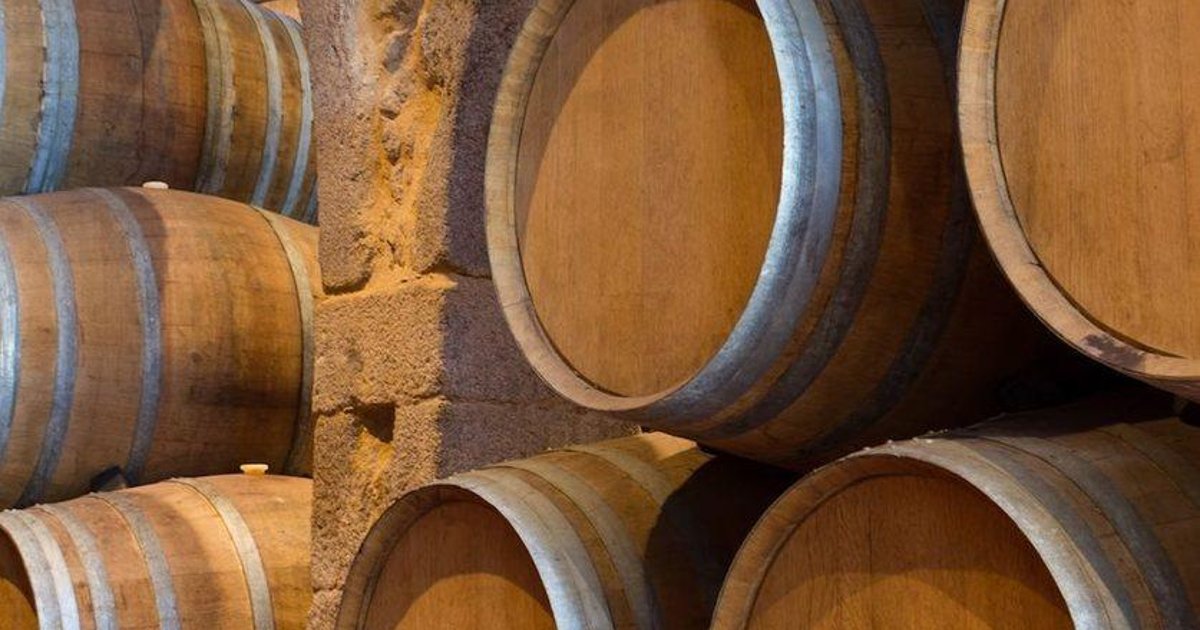
Start with the distinction: cellar or landscape?
For travellers choosing among Porto port wine lodges, the clearest starting point is purpose: visit Gaia to understand how Port is aged and presented, and include the Douro to place the wine in its grape-growing landscape. These are connected experiences, not interchangeable ones. Port is made from grapes grown in the Douro Valley, while the historic lodges opposite Porto have long been associated with its ageing. A city cellar can make the wine more understandable without providing the same perspective as time in the valley.
That distinction is useful before choosing any house. If your main interest is recognising styles and understanding what happens after the grapes become wine, a lodge is a sensible starting point. If you want the growing landscape to anchor your understanding, give the Douro its own place in the itinerary. Neither choice requires dismissing the other. The stronger approach is to decide which questions belong in the cellar and which need the landscape, then avoid filling your journey with visits that answer essentially the same questions.
Understand what the city cellars actually explain
Port’s journey begins with fermentation, which is stopped early by adding grape spirit. This preserves natural sweetness and raises the alcohol. Traditionally, the young wine then travelled downriver to Vila Nova de Gaia to age. That sequence gives the lodges their particular relevance: they are places to approach the transformation and interpretation of wine after production begins in the Douro. The rabelos, the flat-bottomed boats that once carried barrels along the river, are a useful reminder that the city and valley belong to one connected story.
Ageing also provides a practical thread for listening and tasting. Ruby styles are aged in large vats or bottle to retain deep fruit, while tawny styles develop through ageing in smaller casks, where slow contact with air changes their colour and character. These broad distinctions are more useful than arriving with a long list of labels to collect. Ask how a house explains them and what the proposed tasting is intended to illustrate. A tasting should help you interpret the cellar, rather than feel like a separate final activity.
Portugal Magik · 2027 edition
Your pocket guide to Portugal wine country.
Thirty pages of wine regions, selected wineries, native grapes and thoughtful travel inspiration — with Gonzalo’s welcome and Portugal Magik’s trip-planning contacts.
Free PDF · 30 pages · 6.1 MB · No email required
Choose the way you want to learn
Many Gaia lodges offer a guided cellar visit followed by a tasting, but the format is not identical everywhere. Taylor’s, for example, has a self-guided audio tour at its hillside lodge, along with a garden terrace. That makes it worth considering if you prefer an audio-led introduction rather than choosing solely on the expectation of a live guide. Before settling on any visit, establish its current format and consider whether your group wants structured explanation, opportunities to ask questions, or a more independent way of absorbing the material.
Museum content offers another way into the subject. Cálem has an interactive museum, while Ramos Pinto is associated with Belle Époque advertising art and a small museum in the founder’s original offices. These are different interpretive emphases: one may appeal to visitors drawn to interactive presentation, the other to those interested in how a house expressed its identity. Choose the subject that genuinely interests you, not simply the attraction with another room to explore. Neither museum element should be mistaken for a substitute for understanding the Douro’s role.
Let location shape the visit, not decide it
The familiar search for a Porto cellar leads across the Dom Luís I bridge from Ribeira into Vila Nova de Gaia, where the historic Port houses still age their wines. Within Gaia, location changes the character of the choice. Cálem is on the riverfront near the bridge, and Sandeman is also riverside. Graham’s sits high on the ridge above Gaia, with views of Porto and the Vinum restaurant. The useful comparison is not simply which address looks most convenient, but how its setting fits the rest of your plans.
A hillside setting may appeal if the relationship between river and city matters to you; a riverside lodge may fit more naturally with time around the waterfront. Treat those as preferences rather than measures of wine quality. Equally, a restaurant at a lodge is a separate planning consideration, not evidence that a meal accompanies the cellar visit. Graham’s requires reservations, and advance planning is sensible for popular houses more generally. Confirm the arrangements you actually want rather than building the itinerary around assumptions about access, dining or the tasting format.
Use house identity to create a meaningful contrast
A recognisable name can provide an easy starting point, but house identity becomes more useful when it gives a visit a distinct focus. Ferreira is a Portuguese-founded house closely linked to Dona Antónia Ferreira and noted for its historic cellars. Sandeman’s caped Don silhouette offers a different point of recognition, alongside a broad range of tasting options. Rather than asking which name deserves priority in the abstract, ask whether you are most interested in a historical association, a familiar visual identity or the particular tasting choices available.
Smaller houses such as Churchill’s and the family-run Poças can also enter that decision, especially if you are looking beyond the most immediately recognisable names. Size alone, however, does not guarantee a quieter room, a more personal exchange or access to particular people. Make those questions part of your planning rather than treating them as promises. If you choose more than one lodge, look for a clear contrast in interpretation or tasting focus. Different names on the door do not necessarily mean sufficiently different experiences for your purposes.
Your dates. Your wines. Your pace.
Make wine country part of your private Portugal journey.
Multi-day travel, transportation and an English-speaking private driver, with selected wineries and places. We help coordinate restaurants, hotels and visits around your plans; availability and costs are confirmed privately.
Build a tasting around questions, not quantity
The best reason to add another tasting is that it answers something the first one will not. You might want to understand ruby and tawny as broad families, or distinguish a tawny blend from a Colheita, which comes from a single harvest. Fruit-led ruby character and the dried-fruit or nutty associations of tawny are tendencies, not promises for every glass. Use them as a starting vocabulary, then pay attention to what is actually poured. Confirm the proposed selection rather than assuming every house presents the same range.
Port is fortified, so an itinerary packed with successive tastings can become less useful than it first appears. Leave room to consider what you have learned and resist adding another cellar merely because it is nearby. For a different emphasis, Cálem offers evening tastings with live fado; that may suit someone seeking a musical element, but it is a different choice from selecting solely for wine comparison. Check the relevant arrangements in advance. A well-chosen contrast can contribute more to the journey than a succession of similar pours.
Give the Douro a role the lodges cannot fill
The Douro should not be treated merely as the scenic addition after the serious wine learning in Gaia. It is the landscape where Port’s grapes are grown, and that fact changes the perspective of the journey. In the city, the emphasis naturally falls on ageing, house history and the interpretation of finished wines. In the valley, the useful starting point is production’s connection to place. Plan with that distinction in mind, without assuming that any particular winery visit will include vineyards, working areas or demonstrations of production.
Either sequence can make editorial sense for a traveller. Begin in Gaia if you would value an introduction to Port styles before encountering the valley; begin with the Douro if you prefer the growing landscape to frame your later cellar questions. The important point is to preserve a different purpose for each stage. A winery booking should be assessed on its confirmed visit content, just as a lodge booking should. Accommodation arrangements are separate: a vineyard hotel stay should never be treated as proof of a tasting reservation.
Bring the two perspectives into one considered journey
A coherent itinerary needs fewer repeated introductions and more deliberate connections. Select a lodge for the way it explains Port, consider a contrasting city visit only if it adds something important, and protect time for the Douro’s production landscape. Leave space between tastings rather than making wine the only activity. Gaia’s World of Wine cultural district, with museums on wine, cork and Porto’s history, offers another possible strand of context. It is an option for broadening the city experience, not a requirement to add every related attraction.
For travellers who want these choices coordinated, Portugal Magik / The Grand Douro Collection offers multi-day private journeys with transportation, an English-speaking private driver and selected wineries and places. Assistance can include coordinating hotel, restaurant and visit bookings, with costs and availability confirmed privately. The useful starting brief is your preferred balance: cellar explanation, tasting comparison, house history and time in the Douro. That keeps the journey focused on how you want to understand Port, while leaving specific reservations and arrangements to be established rather than presumed.
Questions before your wine journey
Are Porto’s Port wine lodges actually in Porto?
The historic lodges discussed here are in Vila Nova de Gaia, across the Dom Luís I bridge from Porto’s Ribeira district. Porto and Gaia provide the city setting for this part of the wine’s story; they are not a separate wine appellation. Port is made from grapes grown in the Douro Valley.
Can a lodge visit replace a visit to the Douro?
It can satisfy an interest in cellar ageing and an introduction to Port styles, but it does not provide the same landscape perspective. Choose Gaia for that cellar-focused understanding; include the Douro when the place where the grapes grow matters to your journey. Treat the two as complementary rather than competing versions of the same visit.
How should I choose between a familiar house and a smaller lodge?
Compare the confirmed visit format and tasting focus, not name recognition alone. A familiar house may offer a historical or museum element that interests you; a smaller house may be worth exploring for a different perspective. Neither size nor reputation guarantees personal attention. Ask what the visit covers and choose according to the questions you want answered.
Can Portugal Magik arrange Gaia and the Douro together?
Yes, through multi-day private journeys combining selected wineries and places, transportation and an English-speaking private driver. Portugal Magik can also assist with coordinating hotel, restaurant and visit bookings. Specific costs and availability are confirmed privately; meals, accommodation and tastings should not be assumed to be included or reserved without confirmation.
Based on Portugal Magik’s Portugal Wine Country pocket guide, 2027 edition. Estate visits, experiences and reservations are subject to confirmation.