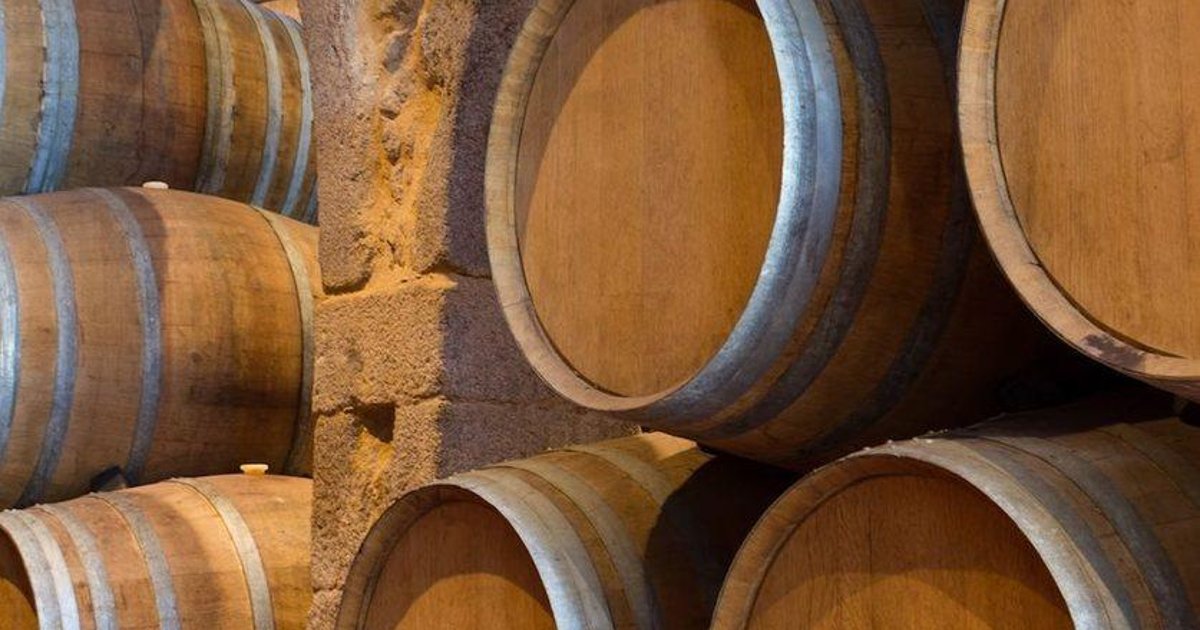
Reserve the Conversation, Not Just the Visit
Book wine tastings in advance, confirm what the appointment involves and arrange transport that leaves nobody responsible for driving after drinking. These are the foundations of a considered visit. The pocket guide notes that most wineries receive visitors by appointment, so an appealing estate name is not enough to build a schedule around. Ask: “Will this reservation be a tasting, a visit through the property, or both?” Then establish the language, expected duration and whether your group will join other visitors or have a separate appointment.
Make your interests specific enough for the estate to respond usefully. Rather than asking for its “best tasting,” explain whether you want an introduction, a closer look at Port ageing or a discussion of wines you might buy. Ask which wines are proposed, whether that selection may change and how much time is allowed for questions. Request written confirmation of the visit, its cost and any cancellation conditions. Treat every extra element as something to verify, not something implied by the word “tasting.”
Build a Schedule That Can Absorb a Good Question
In the Douro, narrow, winding roads make a map a poor measure of how relaxed a tasting day will feel. Leave space between appointments rather than treating each visit as a fixed slot with an immediate departure. Ask the estate when you should arrive, how to identify the meeting point and whom to contact if delayed. When choosing between another reservation and time for lunch, consider what you actually want to remember: a sequence of labels or a conversation you had time to follow.
Check the date as carefully as the route. The guide flags reduced opening on Sundays and public holidays, while harvest can keep estates busy. Ask whether your proposed date changes the visit format or restricts access to any planned part of the property. Some estates offer harvest participation, but do not assume it accompanies a seasonal tasting. Inland summer heat is another reason to consider morning appointments in the Douro and Alentejo. Confirm the actual arrangements before fitting other plans around them.
Portugal Magik · 2027 edition
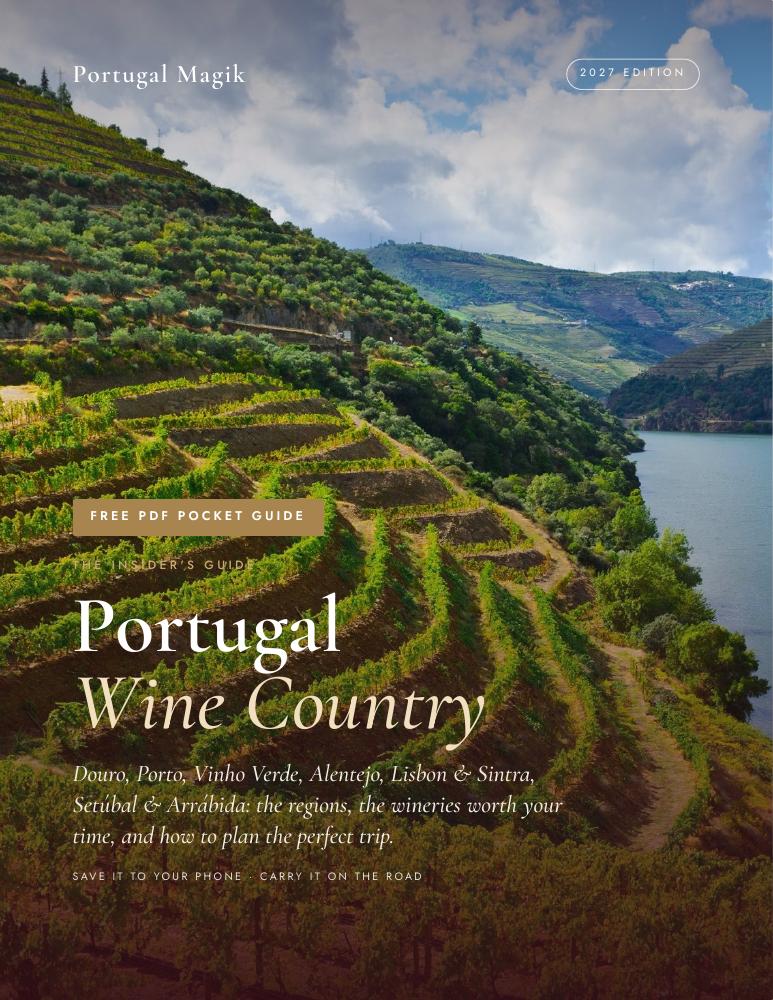
Your pocket guide to Portugal wine country.
Thirty pages of wine regions, selected wineries, native grapes and thoughtful travel inspiration — with Gonzalo’s welcome and Portugal Magik’s trip-planning contacts.
Free PDF · 30 pages · 6.1 MB · No email required
Use Etiquette to Make the Tasting More Comfortable
You do not need an elaborate wine vocabulary to be a considerate guest. Arrive ready to listen, describe your level of familiarity honestly and ask how the host would like to structure the tasting. A useful opening is: “I enjoy wine, but I would like help understanding the differences between these bottles.” If you already have a particular interest, state it without turning the visit into a test. Questions about why a wine was selected often create a more useful exchange than attempts to identify every aroma.
Spitting is normal at professional tastings, according to the guide. If you are unsure where to do it, simply ask where the spittoon is before the first pour. You can also ask for smaller servings or decline a further glass; frame these as your preferences rather than apologies. Give other guests room to ask questions and let the host finish an explanation before moving on. Most importantly, do not make finishing every sample a goal, particularly when your itinerary involves several tasting appointments.
Compare Wines Through One Clear Question at a Time
A tasting becomes easier to follow when you decide what you are comparing. Ask the host: “What is the most useful difference to look for between these wines?” The answer might direct your attention to the wines’ origins, their ageing or the producer’s choices, depending on the selection actually being poured. Resist making every glass compete for a single overall winner. Instead, note which you would choose for a meal, which you find most intriguing and which you would like explained again before deciding.
Keep notes in language you will recognise later. Record the bottle name and vintage, then a short personal impression and the context in which you might enjoy it. “Preferred with lunch” can be more useful than a borrowed string of technical terms. If a host describes a characteristic flavour, treat that description as guidance rather than a sensation you must find. Ask whether a difference you notice reflects these particular bottles or a broader tendency, and leave room for your preference to change with food.
Give Port Its Own Pace and Context
For Porto and Gaia, think in terms of lodge visits rather than treating them as another wine appellation. Port is fortified, and the guide cautions that successive tastings can add up quickly. Choose appointments for the questions they help answer, not simply to collect famous names. Before booking, ask whether the proposed selection focuses on a particular aspect of Port and how the host explains ageing. If you are visiting more than one lodge, seek a meaningful contrast rather than repeating an almost identical introduction.
A practical question is: “How would this tasting differ from another introductory Port visit?” You can also ask whether the discussion includes oak-cask ageing, which the guide highlights, without assuming access to any particular space. Book ahead rather than relying on an opening after you arrive, especially for riverfront lodges in summer. If you also want to explore beyond Port, the guide suggests asking for Vinho Verde from the Minho. Its described crisp, light character is a tendency to explore, not a promise about every glass.
Your dates. Your wines. Your pace.
Make wine country part of your private Portugal journey.
Multi-day travel, transportation and an English-speaking private driver, with selected wineries and places. We help coordinate restaurants, hotels and visits around your plans; availability and costs are confirmed privately.
Decide Whether Lunch Is the Occasion or the Interval
An estate meal can give wine a different context from a tasting alone. The guide notes that many estates serve lunches built around their wines, olive oils and local produce, and mentions estate lunches at Bomfim, Quinta Nova and Vallado. That is a reason to enquire, not evidence that a table is available on your date. Ask whether lunch and the tasting are separate reservations, whether the wines overlap and how the meal fits into the visit. Clarify what each quoted arrangement actually covers.
Explain dietary needs before committing and ask what the kitchen can accommodate on that occasion. If your main interest is comparing wines with food, ask whether the meal allows that discussion or is intended as a separate dining experience. Alternatively, make lunch a deliberate pause without another structured tasting. Neither choice is inherently better; the useful distinction is whether you want more information or time to absorb it. Leave enough flexibility afterwards that a leisurely meal does not become a race to your next appointment.
Buy the Bottle You Understood, Not the Moment
The cellar door can offer bottles worth asking about: the guide notes that estate-only wines and older vintages are often available. Ask what makes a proposed purchase different from the wines you have already tasted, and whether you can taste that exact bottle or vintage before deciding. If not, recognise the distinction between buying from experience and buying on a recommendation. Establish the current bottle cost and available quantity directly. A wine being difficult to find elsewhere need not make it the right purchase for you.
Before paying, ask the producer how it recommends storing the wine and when it suggests opening it. Explain whether you want something for a forthcoming meal, a gift or a bottle to keep, rather than requesting a universal “best buy.” Consider how the purchase would fit into the rest of your journey. If delivery or carrying wine home matters, establish the available options and check the relevant requirements separately before committing. Do not treat a cellar-door suggestion as a complete answer about shipping, customs or taxes.
Turn Separate Reservations into a Coherent Journey
Once you know what you want from each visit, review the itinerary as a whole. Are you repeating the same introductory conversation, or giving yourself a useful progression? Have you allowed for meals, travel and an unhurried finish? Keep confirmed appointments distinct from requests still awaiting a reply. Accommodation needs the same discipline: staying among the vines at an estate such as Quinta Nova or Quinta do Vallado does not itself confirm a tasting. Ask about the room and the wine visit as separate arrangements.
For travellers who prefer help joining those arrangements together, Portugal Magik offers multi-day private journeys with transportation, an English-speaking private driver, selected wineries and places, and assistance coordinating hotel, restaurant and visit bookings. Describe your interests in practical terms: introductory or more detailed tastings, time for estate meals, and how much activity feels comfortable. Costs and availability are confirmed privately. The aim should be a journey whose pace supports the tasting, with each reservation understood before departure rather than a crowded schedule held together by assumptions.
Questions before your wine journey
What should I ask if a winery offers several tasting options?
Ask what changes between them: the wine selection, the depth of explanation, the setting or the time available. Then connect that difference to your interests. If you want to understand ageing, ask which option addresses it most clearly. Do not assume a more expensive selection provides more conversation or better suits someone still discovering their preferences.
Can I enjoy a tasting without finishing the wines?
Yes. The guide identifies spitting as normal at professional tastings. Ask where the spittoon is and request smaller pours if that suits you. You can still compare wines and discuss your impressions without finishing each glass. Arrange transport independently of how much you expect to drink, rather than making driving decisions during the tasting.
How can I avoid buying a wine I will not enjoy at home?
Start with your notes rather than the atmosphere of the visit. Confirm the label and vintage, consider whether you preferred it alone or with food, and explain your intended occasion to the host. If the suggested purchase is different from the sample you liked, ask for that difference to be explained before making a decision.
Can Portugal Magik help coordinate tastings, meals and accommodation?
Yes, within its multi-day private journeys. Portugal Magik provides transportation, an English-speaking private driver, selected wineries and places, and assistance coordinating hotel, restaurant and visit bookings. Share your tasting interests and preferred pace when discussing the journey. Costs and availability are confirmed privately; do not assume meals, accommodation or tasting charges are included without explicit confirmation.
Based on Portugal Magik’s Portugal Wine Country pocket guide, 2027 edition. Estate visits, experiences and reservations are subject to confirmation.