Start with the Grape, Then Ask Where It Grows
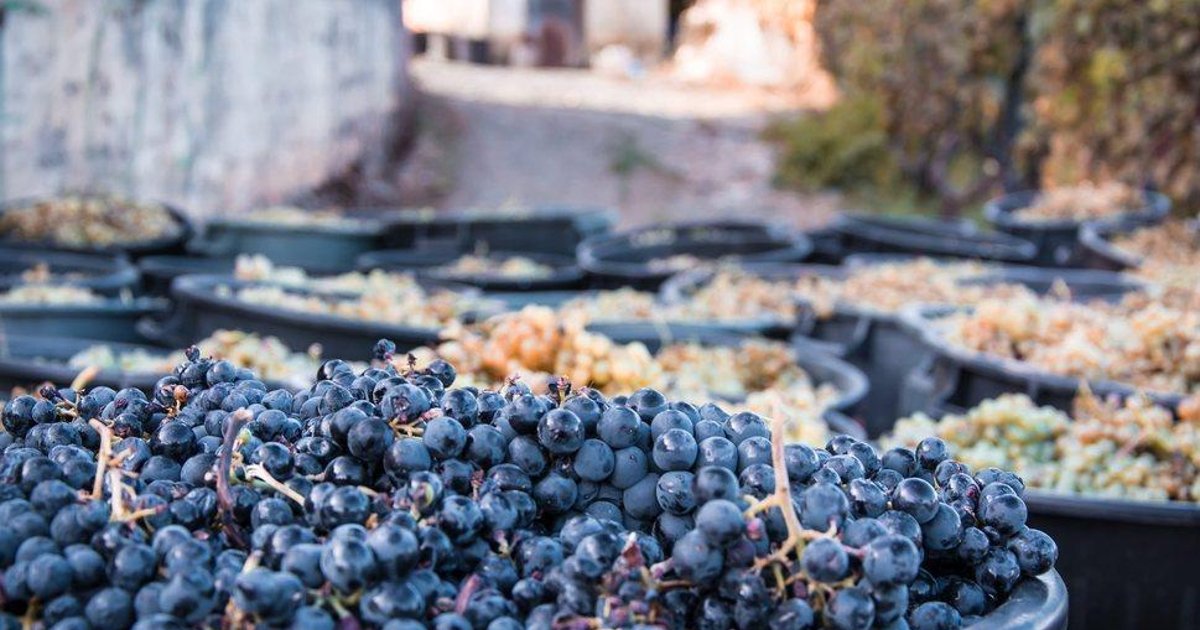
The most useful Portuguese grape varieties to recognise include Touriga Nacional and Touriga Franca for Douro reds, Alvarinho and Loureiro for northern whites, and Aragonez, Trincadeira and Alicante Bouschet for Alentejo blends. Around Lisbon and Setúbal, look for Arinto, Ramisco, Malvasia de Colares, Castelão and Moscatel. These names are starting points rather than a complete inventory. For a traveller, their value lies in connecting the wine being poured with a regional identity and deciding what might make an interesting next glass.
Read tasting descriptions as possibilities, not promises. Violets, citrus, herbs or saltiness are useful words for discussing impressions; they are not a checklist every bottle must satisfy. Likewise, a grape associated with one region need not belong exclusively to it. Touriga Nacional appears in both the Douro and Dão, while Arinto has a wider presence beyond Bucelas. Ask where a wine comes from, which grapes it contains and whether it is a blend before treating a familiar grape name as a reliable prediction of flavour.
Douro Reds: Learn the Language of a Blend
Touriga Nacional offers a clear introduction to the Douro's red-wine vocabulary. Its profile can suggest violets, black fruit and firm structure, and it plays an important role in both Port and Douro reds. Touriga Franca brings another set of clues: perfume, silkiness and a contribution to the elegance of blends. These are complementary descriptions, not competing grades of quality. When choosing a tasting, look for an opportunity to discuss how the two grapes contribute to a finished wine rather than simply asking which is better.
Tinta Roriz adds a naming lesson that will serve you farther south: it is the grape called Aragonez in the Alentejo and Tempranillo in Spain. Recognising that equivalence makes an unfamiliar wine list easier to navigate, but it does not mean wines carrying those names will taste alike. In a Douro blend, ask which varieties are present and how the producer describes their roles. Keep Douro vineyard wines and Port lodge visits in Porto or Gaia conceptually distinct; the lodges are not a separate wine appellation.
Portugal Magik · 2027 edition
Your pocket guide to Portugal wine country.
Thirty pages of wine regions, selected wineries, native grapes and thoughtful travel inspiration — with Gonzalo’s welcome and Portugal Magik’s trip-planning contacts.
Free PDF · 30 pages · 6.1 MB · No email required
Vinho Verde: Choose Beyond the Familiar Light White
Vinho Verde is not a grape, and “verde” does not describe the wine's colour. The name refers to youth and belongs to Portugal's green northwest. Much of its wine is white, with lightness, citrus and sometimes a gentle sparkle among the familiar characteristics. Yet choosing only on that expectation would miss useful contrasts. Around Monção and Melgaço, Alvarinho can produce richer, more structured whites, with peach, citrus and mineral impressions. It is worth asking about this style if you want freshness without assuming that means the lightest possible wine.
Loureiro, associated with the Lima valley around Ponte de Lima, points towards floral freshness and elegance. Avesso, from the warmer southern part of the region, offers a contrasting vocabulary of roundness and creaminess. Vinhão provides a further departure: an inky, tart red traditionally drunk from white porcelain bowls. Build a tasting around these differences rather than seeking a single definitive Vinho Verde. Decide whether you prefer floral aromas, a rounder texture or a sharper red expression, then use that preference to frame your questions about the wines available.
Alentejo: Separate Ripeness, Texture and Freshness
The Alentejo's long, hot summers help explain its association with round, fruit-forward reds built on Aragonez, Trincadeira and Alicante Bouschet. Each name gives you a different question to ask. Trincadeira can bring spicy, herbal character and bright acidity; Alicante Bouschet, a red-fleshed grape strongly associated with the region, can suggest depth, velvet-like texture and ageing potential. Its place in Alentejo wine culture should not be confused with a claim that it is indigenous to Portugal. Aragonez, meanwhile, reconnects the southern glass with the northern name Tinta Roriz.
The whites deserve a separate decision rather than an afterthought. Antão Vaz is associated with ripe tropical fruit and texture, while Arinto offers a vocabulary of citrus and freshness; Roupeiro also features in regional whites. Ask whether the bottle foregrounds one variety or combines several, and describe the balance you want between richness and freshness. Vinho de talha introduces another distinction: it refers to wine fermented in large clay vessels, not to a grape. Keep questions about the varieties separate from questions about how the wine was made.
Lisbon and Colares: Names Anchored to Particular Places
Around Lisbon, Arinto and the grapes of Colares offer especially clear links between variety and place. Bucelas is associated with crisp Arinto whites, often described through citrus and mineral impressions. Between Sintra and the Atlantic, Colares presents a different setting: vines growing in sand dunes, close to the ground and sheltered from ocean winds by cane fences. Its red grape, Ramisco, can be firm and tannic in youth and develop complexity with age. That makes the age of a proposed bottle a useful question, not a minor detail.
Malvasia de Colares offers the white counterpart, with floral and salty tendencies. A practical comparison would place it beside Arinto from Bucelas, asking how their aromas and textures differ rather than expecting both to deliver a generic coastal freshness. Adega Regional de Colares and Adega Viúva Gomes are relevant names to explore, with the latter associated with older Ramisco and Malvasia vintages. Treat that association as a reason to enquire, not a promise that a particular bottle will be poured. These wines warrant advance planning rather than assumptions about access.
Your dates. Your wines. Your pace.
Make wine country part of your private Portugal journey.
Multi-day travel, transportation and an English-speaking private driver, with selected wineries and places. We help coordinate restaurants, hotels and visits around your plans; availability and costs are confirmed privately.
Setúbal: Distinguish the Red Grape from the Fortified Wine
Setúbal rewards travellers who separate two conversations: Castelão as a regional red grape, and Moscatel de Setúbal as a fortified wine. Castelão, also called Periquita, thrives on sandy soils around Palmela and can show soft, red-fruited character. Its association with grilled food gives you a useful starting point when choosing a bottle for a meal, without making every example interchangeable. Trincadeira also belongs in the regional grape picture. Ask about the actual blend rather than assuming every red from the peninsula is entirely Castelão.
Moscatel introduces Muscat of Alexandria and the rarer Moscatel Roxo. For Moscatel de Setúbal, extended contact with grape skins is part of the production story, with orange peel, honey and apricot among the characteristic aromatic references. Treat those words as an invitation to pay attention, not a guaranteed sequence of flavours. Fernão Pires adds another thread to the region's whites and also appears around Lisbon, bringing aromatic, fruity tendencies. When arranging a tasting, clarify whether your interest is in regional reds, white varieties or fortified Moscatel rather than leaving the category unspecified.
Turn Tasting Notes into Better Questions
A useful tasting vocabulary separates aroma from texture and structure. “Floral” might help you discuss Touriga Nacional, Touriga Franca, Loureiro or Malvasia de Colares, but it does not make those wines equivalent. “Firm” invites a different conversation from “silky”, just as Avesso's possible creaminess differs from Arinto's citrus-led freshness. Instead of trying to reproduce a producer's description, note what stands out to you. Then ask whether that impression is associated with a particular grape in the blend or is being used to describe the finished wine.
For blends, resist turning the grape list into a recipe you can decode with certainty. Knowing that Trincadeira can contribute lift or Arinto freshness helps you ask a better question; it does not tell you precisely how the bottle will taste. A focused comparison might explore different kinds of freshness through Loureiro and Arinto, or different textures through Touriga Franca and Alicante Bouschet. Present these as themes when enquiring about tastings, leaving room for the wines actually available. The aim is a clearer understanding of your preferences, not a correct answer.
Build a Journey Around Contrasts Worth Remembering
Choose a few grape-led priorities rather than trying to turn every stop into a complete survey of Portugal. One journey might emphasise Douro blends and the contrasting whites of Minho; another could explore Arinto around Lisbon, the distinctive grapes of Colares and Setúbal's Castelão and Moscatel. The six travel destinations in the guide are a framework for exploration, not a catalogue of every Portuguese wine region. Leave space to revisit an idea: a second discussion of blends may be more rewarding than another hurried introduction to unfamiliar names.
For Portugal Magik / The Grand Douro Collection, these interests can shape a multi-day private journey with transportation, an English-speaking private driver, selected wineries and places, and assistance coordinating hotel, restaurant and visit bookings. Explain which grapes or contrasts interest you, while keeping particular bottles and visits subject to confirmation. Costs and availability are confirmed privately, and staying at a vineyard hotel does not itself secure a tasting reservation. The most useful plan connects each proposed stop with a clear question about the wine, rather than simply collecting estate names.
Questions before your wine journey
Which Portuguese grape names should I learn before travelling?
Start with names relevant to your route rather than memorising a national list. For the Douro, learn Touriga Nacional, Touriga Franca and Tinta Roriz. For Minho, prioritise Alvarinho and Loureiro. In the Alentejo, recognise Aragonez, Trincadeira, Alicante Bouschet and Antão Vaz. Around Lisbon and Setúbal, Arinto, Ramisco, Malvasia de Colares, Castelão and Moscatel will help you ask more focused questions.
Are Tinta Roriz and Aragonez different grapes?
No. Tinta Roriz is the northern name and Aragonez the name used in the Alentejo for the grape known as Tempranillo in Spain. This is a useful naming connection, not a promise of identical wines. When comparing bottles, ask about their region and the other varieties in any blend, rather than using the shared grape identity as the whole explanation.
Does a grape's tasting description tell me exactly what I will taste?
No. Descriptions such as violet-scented Touriga Nacional, floral Loureiro or citrusy Arinto express tendencies. They are useful prompts for observation, not required flavours. The distinction matters particularly with blends, where a description of one variety is not a description of the entire wine. Use the vocabulary to explain what you enjoy and to ask questions, while allowing your own impressions to differ.
Can a private journey focus on particular grapes rather than famous estates?
Yes. Portugal Magik can use grape interests to shape a multi-day private journey, with transportation, an English-speaking private driver, selected stops and assistance coordinating bookings. You might prioritise regional blends, Atlantic whites or a comparison of table wines and fortified wines. Specific visits, tasting selections, costs and availability require private confirmation; a preferred grape provides direction, not a guarantee of a particular bottle.
Based on Portugal Magik’s Portugal Wine Country pocket guide, 2027 edition. Estate visits, experiences and reservations are subject to confirmation.